EPDS for Dads: Screening Postpartum Depression in Fathers
When a new baby arrives, the world usually focuses on the health of the mother and the infant. While this focus is vital, there’s another person in the room whose mental health often goes unnoticed: the father. Many people are surprised to learn that men can also experience serious mood changes after a child's birth. This condition is known as paternal postpartum depression, and it affects thousands of families every year.
Are you a new father feeling unusually irritable, exhausted, or disconnected? If so, you aren't alone, and your feelings are valid. Research suggests that up to 10% of fathers experience some form of depression during the perinatal period. Because men often express distress differently than women, these symptoms frequently go undiagnosed. This leaves many fathers to suffer in silence while trying to support their growing families.
The Edinburgh Postnatal Depression Scale (EPDS) is a scientifically-backed tool designed to help parents identify these risks early. Originally created for mothers, it's now widely recognized as an effective way for fathers to check in on their own mental well-being. To get started, you can start your screening today to see where you stand and take the first step toward feeling like yourself again.
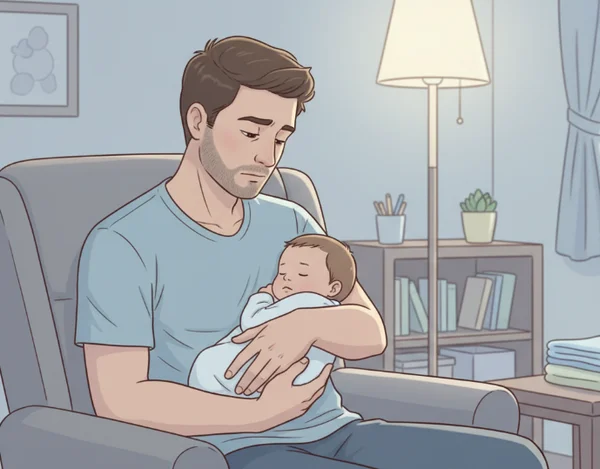
Recognizing the Signs of Paternal Postpartum Depression
Paternal postpartum depression is more than just feeling tired or stressed about a new routine. It’s a clinical condition that affects how a father thinks, feels, and interacts with his partner and child. Society often expects men to be "the rock" of the family. Because of this, many dads hide their struggle, believing they just need to "tough it out."
Understanding the signs is the first step in breaking the cycle. Men often experience depression in ways that don't fit the traditional "sadness" mold. This makes it even more important to look closer at behavioral changes.
Common Symptoms of Paternal PPD
While maternal depression is often linked to crying or visible sadness, paternal postpartum depression frequently manifests as high levels of irritability and anger. A father might find himself snapping at his partner. He may feel a low level of "simmering" frustration that he cannot explain. This irritability can make the home environment feel tense, further increasing the father's sense of guilt.
Emotional withdrawal is another major sign. A father might begin to spend more time at work, dive into video games, or find other ways to avoid being present at home. This isn't about laziness; it's a coping mechanism for a brain that's overwhelmed. You might also notice physical symptoms like chronic exhaustion. Check out these fatigue management tips if you feel your energy never returns, even after rest. If you feel a persistent "fog" or a lack of connection to your baby, it’s time to screen for risk using a professional tool.
Risk Factors Specific to New Fathers
Why does this happen to men? It isn't just about the stress of a crying baby. New fathers experience biological changes postpartum. Testosterone levels frequently drop, while cortisol—the stress hormone—rises. These hormonal shifts heighten vulnerability to mood disorders. This is especially true if a father is already facing severe sleep deprivation.
External pressures also play a massive role. The financial weight of providing for a new human can push anyone to their limit. Additionally, if the mother is experiencing postpartum depression, the father's risk increases significantly. It becomes a shared family challenge. A history of anxiety or depression before the baby was born also makes a father more likely to struggle during this transition.
How Fathers Can Use the EPDS Test for Postpartum Depression Screening
The Edinburgh Postnatal Depression Scale, commonly known as the EPDS, is one of the most trusted screening tools in the world. Modern healthcare professionals frequently use it for fathers. This is because the core questions target the emotional and cognitive symptoms of depression that cross gender lines.
Using an online tool is often the easiest way for a busy father to get an objective look at his mental health. It provides a private space to be honest about feelings. These are often things that might be hard to say out loud to a doctor or a partner.
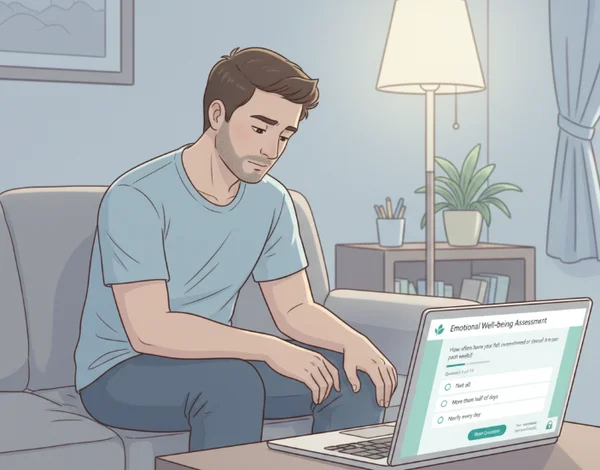
How EPDS Works for Fathers
The EPDS is a 10-question assessment that takes about 5 to 7 minutes to complete. It doesn't ask complicated medical questions. Instead, it asks about your experiences over the last seven days. For example, it might ask if you've been able to see the funny side of things. It also checks if you've felt unnecessarily anxious or worried.
For fathers, these questions are highly effective. They focus on "anhedonia"—the inability to feel pleasure—and anxiety. These are both core components of paternal depression. The screening is simple: you choose the response that best describes your feelings. To see how these questions apply to your current situation, you can take the test right now from your phone or computer.
Interpreting Your EPDS Score as a Father
Once you complete the 10 questions, you’ll receive a total score ranging from 0 to 30. Understanding what this number means is vital for deciding your next steps.
What Your EPDS Score Means for Next Steps
- 0–8: This range usually indicates that you're experiencing a normal level of stress associated with new parenthood. You're unlikely to be suffering from clinical depression.
- 9–12: A score in this range suggests possible depression. It’s a "yellow light." This means you should keep a close eye on your symptoms and perhaps talk to a trusted friend or professional.
- 13 or higher: This score indicates a high likelihood of postpartum depression. It’s a clear signal that you should seek a formal evaluation from a healthcare provider.
Regardless of your score, if you answered "yes" to the question about thoughts of self-harm, you should seek immediate help. The goal of the online EPDS test is to provide clarity, not to replace a doctor's diagnosis. It gives you the data you need to start a conversation with a professional.
Coping Strategies and Support for Fathers
If your screening results show a high risk, don't panic. Paternal postpartum depression is highly treatable. Recognizing the problem is actually the hardest part. Once you know what you’re dealing with, you can begin to implement strategies to help you regain your energy.
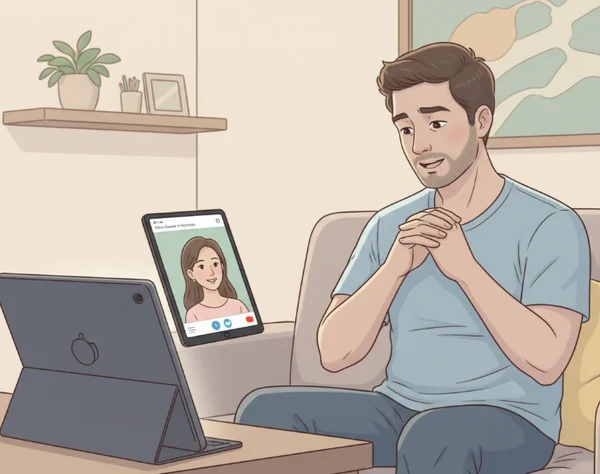
Practical Steps to Manage Symptoms
The first step in managing paternal PPD is to lower your expectations of yourself. Many new fathers feel they must be "perfect," but "good enough" is perfectly fine. Focus on the basics: try to get a block of four hours of uninterrupted sleep if possible. Sleep is the foundation of mental health, so consider these sleep tips for new dads to improve your rest.
Talk openly with your partner. Sharing your struggles helps them understand your irritability isn’t about them—it’s a health challenge you’re tackling together. Additionally, find a way to incorporate 10 minutes of physical activity into your day. Even a short walk with the stroller can help regulate your hormones and lower your stress levels.
Professional Treatment Options for Paternal PPD
Self-care is important, but it isn't always enough. If your EPDS score remains high or your symptoms make it impossible to function, it’s time to seek help. You can start by talking to your primary care doctor or your child's pediatrician. They are trained to handle these conversations and can help you find a therapist who specializes in paternal health.
Cognitive Behavioral Therapy (CBT) works well for men with PPD. It helps reframe negative thoughts driving anger or sadness. In some cases, temporary medication may be recommended to help balance your brain chemistry while you work through the transition. Remember, seeking help is an act of strength that protects your child's future.
Your Next Steps in Supporting Paternal Mental Health
Paternal postpartum depression is a real, biological, and psychological challenge. However, it doesn't have to define your experience as a father. By recognizing the signs—like irritability, withdrawal, and fatigue—and using the EPDS screening, you can take control of your mental health.
Prioritizing your mental health ensures you can fully show up for your partner and baby. Taking the time to assess your risk isn't selfish; it’s the most responsible thing you can do for your family. If you’ve been feeling "off" lately, don't wait for things to get worse. You can assess your symptoms for free today. Imagine looking back a year from now—those five minutes could be the moment everything started getting easier.
The Takeaway
Can fathers really get postpartum depression?
Yes, absolutely. Paternal postpartum depression is a recognized clinical condition. While it was once thought that only mothers suffered from these mood shifts, we now know that up to 1 in 10 men experience depression after a child is born. This is caused by a combination of hormonal changes, extreme sleep deprivation, and the psychological stress of a major life transition. It’s a health issue, not a character flaw.
Is the EPDS test validated for fathers, or just mothers?
While the Edinburgh Postnatal Depression Scale was originally created for women, extensive research has shown it's also a valid and reliable screening tool for men. Because the scale focuses on emotional states like anxiety and loss of joy, it accurately captures the experience of paternal depression. Many health organizations worldwide now recommend using the EPDS for both parents.
What should I do if my EPDS score is high?
If you receive a high score, the first step is to breathe and realize that help is available. You should make an appointment with your doctor or a mental health professional as soon as possible to discuss your results. Bring a printout or a screenshot of your screening report to help start the conversation. In the meantime, try to talk to your partner or a close friend so you don't have to carry the burden alone.