EPDS Cultural Adaptation: Global Screening for Perinatal Depression
Perinatal depression affects millions of women worldwide, but it doesn't look the same in every culture. While around one in seven women experience it, the way symptoms are expressed, understood, and discussed can vary dramatically. This presents a significant challenge: how can we accurately screen for perinatal depression in a way that is sensitive to diverse cultural backgrounds?
The Edinburgh Postnatal Depression Scale (EPDS) is a globally recognized tool designed to help identify these risks. But its true power lies in its cultural adaptability. How can a single questionnaire work effectively across different languages and societies? This article explores the importance of cultural considerations in mental health screening and shows how a properly adapted tool can provide meaningful insights for mothers everywhere.
Our platform provides scientifically-backed EPDS screening that is available in 16 languages. Our goal is to offer an accessible, confidential first step for women from all backgrounds to understand their emotional well-being. You can start your screening today to gain clarity.
Cultural Considerations in Perinatal Depression Assessment
Understanding mental health goes beyond simple symptom checklists. Culture profoundly influences how we experience and express emotional distress. For a screening tool like the EPDS to be effective globally, it must account for these deep-seated social and personal differences. Ignoring these nuances can lead to misinterpretation and prevent mothers from getting the support they need.
Beyond Translation: Cultural Adaptation of the EPDS Scale
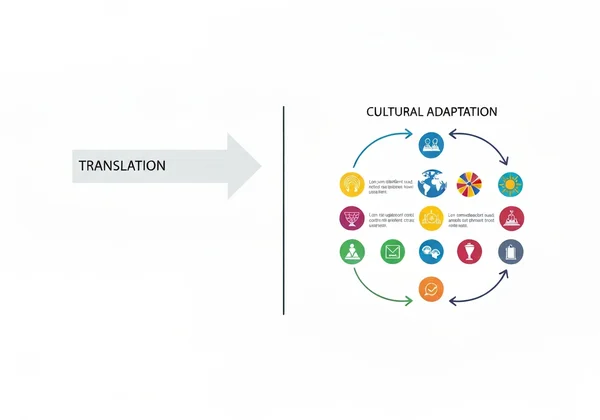
Many people mistakenly believe that translating a screening tool is sufficient. However, true cultural adaptation requires a deeper approach. We must ensure that concepts and questions are not just linguistically accurate but also culturally meaningful. For example, a question about guilt or feeling like a "bad mother" might be interpreted differently in a collectivist culture compared to an individualistic one. Adaptation requires experts to review and adjust phrasing to capture the intended meaning without cultural bias.
Universal Symptoms vs. Cultural Expression of Distress
Some depression symptoms, like persistent low mood, are nearly universal worldwide. However, other symptoms vary across cultures. In some societies, emotional distress often manifests through physical symptoms such as headaches, fatigue, or stomach problems. This is known as somatization. An effective EPDS adaptation must be sensitive to these different expressions. This ensures that the tool can identify mothers who may not use traditional emotional language to describe their struggles.
Validation Studies Across Diverse Populations
To ensure the EPDS is reliable, it has been tested and validated in countless studies across the globe. Researchers in countries from Japan to Brazil have confirmed its effectiveness in their local populations. These validation studies often establish different "cut-off" scores that are appropriate for that specific cultural context. This research builds trust and authority, proving that the EPDS is not just a Western tool but a flexible instrument for global perinatal mental health.
Implementing EPDS in Multilingual Communities
For healthcare providers and families in diverse communities, having access to a reliable, multilingual screening tool is essential. It bridges communication gaps and ensures that language is not a barrier to receiving mental health support. A well-implemented multilingual EPDS empowers both individuals and the professionals who support them. Our platform ensures this rigorous validation process for all 16 language versions of the EPDS.
Linguistic Validation of EPDS Questionnaires
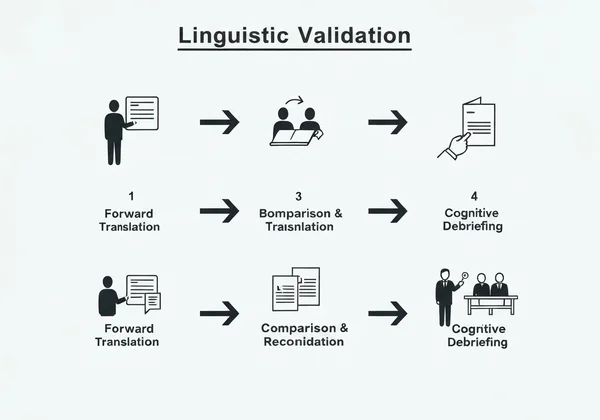
Linguistic validation is a rigorous, multi-step process. It typically involves:
- Forward Translation: A native speaker translates the original English EPDS into the target language.
- Back Translation: A different translator, who has not seen the original, translates the new version back into English.
- Comparison and Reconciliation: The original and back-translated versions are compared to identify and resolve any discrepancies in meaning.
- Cognitive Debriefing: The translated questionnaire is tested with a small group of native speakers to ensure the questions are clear, natural, and easy to understand.
This meticulous process ensures that each of the 16 language versions of the EPDS available through our multilingual platform is not just a literal translation, but a culturally and linguistically accurate tool.
Cultural Nuances in Question Interpretation
Even with a perfect translation, cultural context can change how a question is understood. For instance, Question 10 on the EPDS asks about thoughts of self-harm. In cultures where discussing such thoughts is highly stigmatized, a person might hesitate to answer honestly. Similarly, questions about finding pleasure in things (anhedonia) might be influenced by cultural expectations of maternal sacrifice. Acknowledging these nuances helps in interpreting the results with greater empathy and accuracy.
EPDS Implementation in Asian Communities: A Cultural Case Study
In many Asian cultures, there is a strong emphasis on family harmony and stoicism. Mental health struggles are often kept private to avoid bringing shame to the family. Studies on EPDS implementation in these communities have shown that mothers may be less likely to report feelings of sadness directly. Instead, they might focus on sleep disturbances or a lack of energy. Recognizing this pattern, healthcare providers can use the EPDS as a gentle conversation starter, allowing them to explore these issues without causing discomfort. This approach shows how the tool can be adapted to fit different communication styles.
Cultural Factors Influencing Perinatal Depression Risk
The risk of developing perinatal depression is influenced by a complex mix of biological, psychological, and social factors. Culture plays a massive role in shaping these social factors, from the level of family support a new mother receives to the stigma surrounding mental illness.
Social Support Systems Across Cultures
The structure of social support for new mothers varies widely. In cultures with strong multi-generational households, a new mother may be surrounded by experienced relatives who help with childcare and household duties. This can be highly protective against depression. In contrast, in more individualistic societies where nuclear families are the norm, new mothers may feel more isolated. Understanding the local support system is crucial when assessing a mother's risk and connecting her with appropriate resources. For more information on social support systems, explore our comprehensive EPDS resources.
Stigma and Help-Seeking Behaviors
The stigma associated with mental illness is a major barrier to seeking help in many parts of the world. A mother may fear being judged as "weak" or "ungrateful" if she admits she is struggling. This can lead to underreporting on screening questionnaires like the EPDS. Creating a safe, confidential, and non-judgmental environment is therefore essential. Online tools can be particularly helpful, as they offer a private first step for those who are hesitant to speak to someone in person. Taking our free EPDS screening can empower women to understand their feelings privately.
Traditional vs. Western Mental Health Approaches
Different cultures have unique ways of understanding and healing the mind. Some may rely on traditional healers, community rituals, or spiritual practices. While the EPDS is based on a Western clinical model, its results can be a bridge between different approaches. A high EPDS score can open a dialogue where a healthcare provider can discuss a mother's concerns in a way that respects her beliefs, potentially integrating modern psychological support with traditional practices.
Embracing Cultural Diversity in Perinatal Mental Health
Perinatal depression is a global issue, but its solutions must be local and personal. The Edinburgh Postnatal Depression Scale has proven to be an invaluable tool precisely because of its adaptability across different cultures and languages. By moving beyond simple translation to embrace true cultural validation, we can ensure every mother, regardless of her background, has access to an accurate and compassionate first step in understanding her mental health.
Here's what we've learned:
- Cultural context is critical: It shapes how depression is experienced, expressed, and discussed.
- Adaptation is more than translation: It requires rigorous validation to ensure questions are relevant and meaningful.
- Awareness reduces barriers: Understanding cultural views on stigma and support helps create a more effective screening process.
For a confidential assessment that respects your cultural background, our EPDS screening is available whenever you're ready. The EPDS screening we offer is available in 16 languages to support mothers and families from around the world.
Take control of your emotional well-being today. Start your screening now for immediate, private results.

Frequently Asked Questions About EPDS and Cultural Adaptation
Is the EPDS valid across all cultures?
Yes, the EPDS has been validated in dozens of countries and cultures around the world. However, its validity often depends on using culturally adapted versions and appropriate score cut-offs that have been researched for that specific population. It is one of the most widely tested perinatal mental health screening tools available.
How does cultural background affect EPDS scores?
Cultural background can influence scores in several ways. It can affect how symptoms are expressed (e.g., emotionally vs. physically), the willingness to report certain feelings due to stigma, and the interpretation of specific questions. This is why using a version of the test that has been validated for your cultural context is so important for accuracy.
Are there special considerations when screening immigrant populations?
Yes. Immigrant and refugee mothers may face unique stressors, including isolation, language barriers, and a lack of familiar social support, which can increase their risk. It is crucial to use a linguistically and culturally appropriate version of the EPDS and to interpret the results with an understanding of their unique circumstances. Our multilingual tool is designed to help bridge this gap.
How has the EPDS been adapted for non-Western contexts?
Adaptation involves a rigorous process of translation, back-translation, and review by local experts to ensure the questions make sense culturally. Researchers also conduct validation studies to determine the most effective cut-off scores for identifying risk in that specific population, ensuring the tool is both relevant and reliable.
Can I trust my EPDS results if I come from a different cultural background?
Yes, you can. When you use a well-validated tool like the one we offer, you are using a version designed to be sensitive to cultural nuances. It provides a reliable starting point for understanding your emotional health. Remember, the EPDS is a screening tool, not a diagnosis. It is always best to discuss your results with a healthcare professional.