Baby Blues vs PPD: Postpartum Moods & EPDS Screening Explained
Navigating the emotional rollercoaster after childbirth can be overwhelming and confusing. Amid the joy and exhaustion, many new parents experience intense mood shifts, leaving them to wonder if what they're feeling is normal. The line between the common "baby blues" and more serious conditions like Postpartum Depression (PPD) can seem blurry. So, what is the difference between baby blues vs PPD, and how can you gain clarity on your own mental health journey?
This comprehensive guide will help you understand the full spectrum of postpartum moods, from the temporary baby blues to the more persistent signs of PPD and the rare but critical symptoms of Postpartum Psychosis (PPP). More importantly, we'll explain how a simple, evidence-based tool can offer you a confidential first step toward understanding your emotional well-being. If you are seeking answers, a confidential online screening can provide valuable insight.
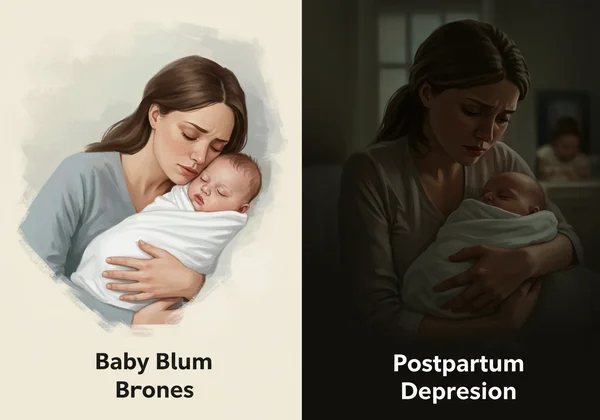
Understanding the "Baby Blues": Common Postpartum Mood Swings
The "baby blues" are incredibly common, affecting up to 80% of new mothers. Think of them as a temporary period of emotional turbulence caused by the dramatic hormonal shifts, sleep deprivation, and the sheer adjustment of welcoming a new baby. It's a natural response to a life-altering event, not a sign of weakness or failure.
What Are the Typical Baby Blues Symptoms?
If you're experiencing the baby blues, your feelings might change from one moment to the next. The most common symptoms are often mild and fleeting, including:
- Sudden mood swings and weepiness for no apparent reason.
- Feelings of irritability, impatience, or restlessness.
- Anxiety and worry, especially about the baby's health.
- Sadness or a sense of being overwhelmed.
- Difficulty sleeping, even when the baby is asleep.
- Trouble concentrating or making simple decisions.
These feelings, while unsettling, are a standard part of the early postpartum period for many women. Recognizing them for what they are is the first step in navigating them successfully.
How Long Do the Baby Blues Usually Last?
This is the most significant factor that distinguishes the baby blues from PPD. The baby blues typically begin within a few days after delivery and, crucially, resolve on their own within two weeks. The symptoms do not worsen over time and generally do not interfere with your ability to care for your baby and yourself.
Coping Strategies for Managing Baby Blues
While the baby blues usually fade, you don't have to just wait them out. Simple self-care strategies can make a significant difference in how you feel during this adjustment period:
-
Rest: Sleep whenever the baby sleeps. Let the laundry and dishes wait.
-
Nourishment: Eat regular, healthy meals and stay hydrated. Proper nutrition is vital for your physical and emotional recovery.
-
Connection: Talk about your feelings with your partner, a trusted friend, or another new mother. Don't isolate yourself.
-
Accept Help: If friends and family offer to cook a meal, watch the baby, or run an errand, say yes.
-
Get Fresh Air: A short walk outside can do wonders for your mood.
Recognizing Postpartum Depression (PPD) Signs & Symptoms
Unlike the baby blues, Postpartum Depression (PPD) is a more serious medical condition that requires support and treatment. It’s not something you can just "snap out of," and it is never your fault. PPD can develop anytime within the first year after childbirth and is characterized by symptoms that are more intense, last longer, and significantly impact your daily life.
Key Differences: Baby Blues vs. PPD Symptoms
The primary distinction lies in severity and duration. While the baby blues involve mild sadness and moodiness that last for about two weeks, PPD symptoms are much more severe and persistent. They interfere with your ability to function and to bond with your baby. You might feel a profound sense of hopelessness that doesn't lift. If you're unsure where your feelings fall, it may be time to check your symptoms.
Beyond Sadness: The Varied Experiences of PPD
PPD is more than just feeling sad. It can manifest in many ways, and the experience is different for everyone. Some of the other common signs include:
- Severe mood swings, intense irritability, or anger.
- Overwhelming feelings of guilt, shame, or worthlessness.
- Loss of interest or pleasure in activities you used to enjoy.
- Difficulty bonding with your baby or feeling emotionally detached.
- Significant changes in appetite—eating much more or much less than usual.
- Intrusive and scary thoughts about harming yourself or your baby.
- Recurrent thoughts of death or suicide.
These symptoms can be deeply distressing, but it is vital to know that you are not alone and that effective treatments are available.
When to Be Concerned: Duration and Intensity of PPD
If your symptoms last for more than two weeks and are getting worse instead of better, it's a clear signal that you may be dealing with more than just the baby blues. When feelings of sadness, anxiety, or despair prevent you from caring for yourself or your new baby, it is essential to reach out for professional help. The first step is often acknowledging the possibility and seeking a baseline understanding of your risk.
Identifying Postpartum Psychosis (PPP): Urgent Concerns
Postpartum Psychosis (PPP) is a rare but extremely serious mental health emergency that requires immediate medical intervention. It affects approximately 1 to 2 out of every 1,000 women after childbirth. The onset is usually rapid and dramatic, typically occurring within the first few weeks after delivery.
What is Postpartum Psychosis? Understanding Its Nature
PPP is a severe episode of mental illness that is fundamentally different from PPD. It is characterized by a loss of contact with reality. Women with a personal or family history of bipolar disorder or schizoaffective disorder are at a higher risk. It's crucial to understand that PPP is a medical emergency, just like a heart attack or stroke.
Warning Signs and When to Seek Immediate Help
The symptoms of PPP are severe and can put both the mother and baby at risk. If you or someone you know exhibits any of the following signs, seek help immediately by calling emergency services or going to the nearest emergency room:
- Delusions: Believing things that are not true (e.g., that someone is trying to harm the baby).
- Hallucinations: Seeing, hearing, or smelling things that are not there.
- Paranoia: Feeling extremely suspicious and mistrustful of others.
- Rapid Mood Swings: Shifting from extreme elation to severe depression in a short period.
- Confusion and Disorientation: Being unsure of where you are or what is happening.
- Behaving in a way that is out of character.
How EPDS Screening Can Guide Your Next Steps
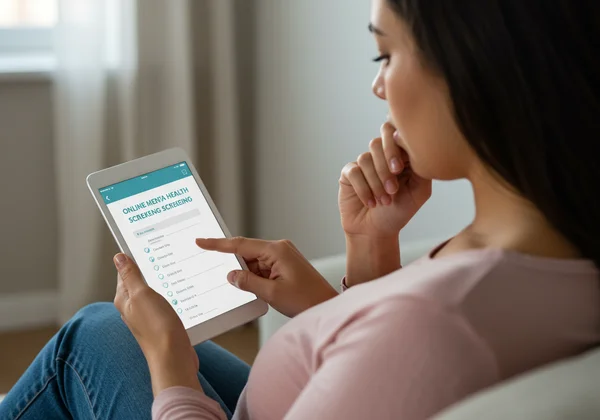
With so much information, it's easy to feel overwhelmed. How can you get a clearer picture of your own emotional state in a private, accessible way? This is where an EPDS screening can be an invaluable tool. It provides a confidential, evidence-based starting point for understanding your risk for perinatal depression.
The Role of the Edinburgh Postnatal Depression Scale (EPDS)
The Edinburgh Postnatal Depression Scale (EPDS) is a globally recognized and clinically validated screening tool created by Cox, J.L., Holden, J.M., & Sagovsky, R. (1987). It consists of 10 simple questions about your feelings over the past seven days. It is not a diagnostic tool, but rather a way to identify individuals who may be at risk for depression and would benefit from a follow-up conversation with a healthcare professional.
What Your EPDS Score Means: Interpretation & Action
After completing the 10-question survey, you receive a score. This score helps quantify your symptoms and indicates a potential risk level—low, moderate, or high. Through our online screening tool, you can receive your score instantly and confidentially. You can also opt to receive a more detailed, AI-powered analysis that offers personalized insights into your emotional state. This information empowers you to have a more informed discussion with your doctor or a mental health provider. Ready to get your score?
Empowering Yourself: Taking Control of Your Postpartum Mental Health
Understanding the difference between the baby blues, PPD, and PPP is a powerful act of self-care. Your mental health is just as important as your physical health, especially during the demanding perinatal period. Recognizing the signs and knowing when to seek help are the most crucial steps you can take for yourself and your family.
You don’t have to navigate this journey alone. Taking a free, confidential EPDS screening is a proactive and courageous first step toward prioritizing your well-being. It provides clarity, reduces uncertainty, and gives you a concrete starting point for seeking the support you deserve. Start your free screening now and take control of your mental health today.
Frequently Asked Questions About Postpartum Moods & EPDS
What is EPDS and why is it used for postpartum depression screening?
The EPDS (Edinburgh Postnatal Depression Scale) is a set of 10 questions used worldwide to help identify mothers who may be experiencing postpartum depression. It is a quick, reliable, and sensitive screening tool—not a diagnosis—that helps determine if a more thorough evaluation by a healthcare professional is needed.
What is considered a normal EPDS score range?
A score of 0-9 is generally considered to be in the low-risk range, but this can vary. A score of 10 or higher suggests a possible risk of depression and should be discussed with a doctor. It's important to remember that any score that concerns you is worth talking about with a professional. The goal of an online EPDS test is to open that conversation.
How is an EPDS score interpreted, and what should I do if my score is high?
An EPDS score is interpreted as an indicator of risk. A high score (typically 13 or above) indicates a high probability of depression. If your score is high, the most important next step is to contact a healthcare provider, such as your OB/GYN, primary care physician, or a mental health professional. Share your score with them and discuss your symptoms openly.
Does the EPDS test screen for anxiety as well as depression?
While the EPDS was designed specifically for screening for depression, some of the questions (like those about anxiety and panic) can help identify symptoms of postpartum anxiety. Many women experience both conditions concurrently. A high score can be a prompt to discuss both anxiety and depression with your provider.
When is the best time to complete an EPDS screening during the perinatal period?
EPDS screening can be done both during pregnancy and at any point in the first year after childbirth. It is often recommended at the 6-week postpartum checkup, but you can take it anytime you feel concerned about your mental health. Early and regular screening can help detect symptoms before they become severe.